Our food systems have led Australians to breaking point. People are being forced to choose between paying rent or buying groceries, and food insecurity has skyrocketed up to 24% over the last 4 years. In 2023, 3.7 million Australians experienced the fear of not knowing where their next meal would come from.
As the cost of living crisis worsens, people are having to make impossible choices. Access to good, healthy, nutritious food is a human right, but in this country, and all around the world, as our corporations rack up huge profits, people are forced to go hungry. In the last five years alone, the price of fruits and vegetables has increased up to 60%.
While our communities are struggling to put food on the table, Woolworths and Coles are breaking profit records. Access to nutritious, affordable, and culturally appropriate food is a human right, and should not be dominated by corporate growth.
Inflation is not the only factor influencing food insecurity. Limited availability of fresh produce and nutritious foods is a massive issue, particularly in urban areas where inadequate infrastructure can lead to a serious lack of options and availability of fresh, seasonal produce. Without access to nutritious, healthy food, people are being forced to consume inadequate and unhealthy food groups, risking not only their physical, but their mental health as well.
Currently, diet-related ill-health and mental illness cost Australia around $200 billion yearly.
No one should have to live in a chronic state of stress about nourishing one’s self and family. Reforming food systems in NSW must be a priority for our Government. The Greens have a plan. We need a sustainable food system that innovates the solutions to transform our food and agriculture systems and challenge corporate giants.
The Greens will create a $500 million Urban Agriculture Fund. This fund will facilitate the following projects:
-
Community Gardens, Education Hubs, and Food Banks
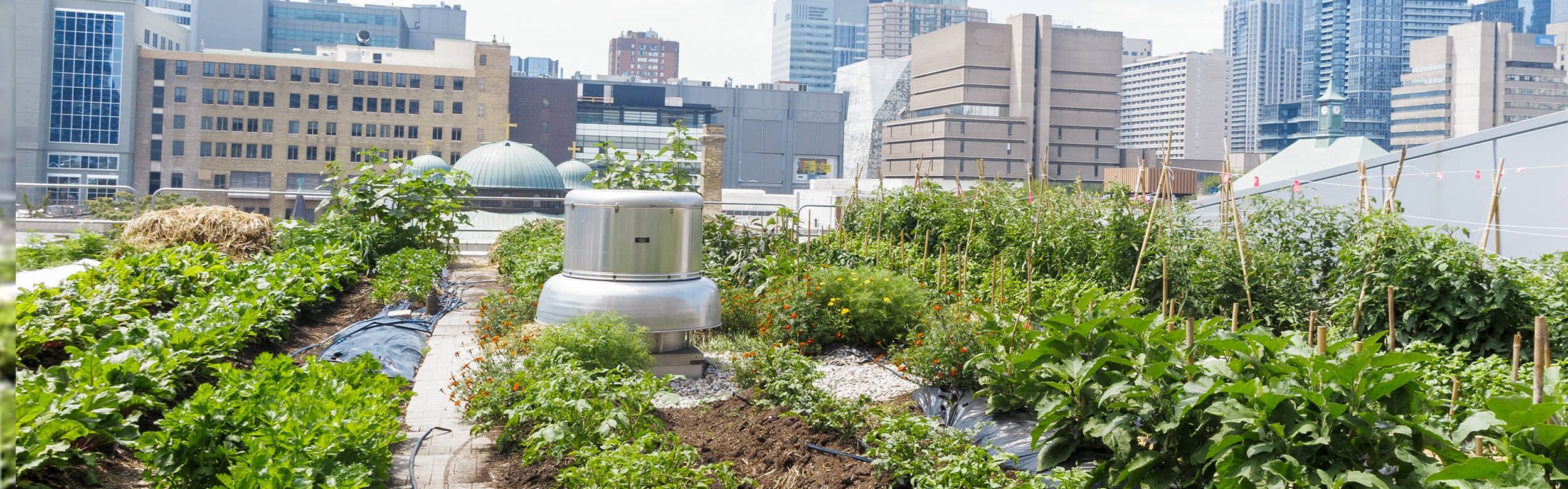
Community gardens and urban agriculture are vital ways for local communities to access fresh produce. Studies show that edible gardening improves physical and mental well-being, fosters healthy eating habits, creates community connection, and increases food security. Community food hubs are vital for CALD, First Nations, and regional communities who are disproportionately affected by food insecurity. This plan will provide financial support for independent urban-farms, promote local farmer’s markets, and employ Food Officers to map areas of vacant lots to be used for gardening. It will also establish state-funded community gardens and education hubs to support the First Nations’ ‘bush food’ industry.
-
Household Edible Gardens:
A “Right to Farm Policy” will challenge restrictive planning laws while supporting individuals who want to grow food at home. Councils will subsidise gardening materials for individuals who intend to grow food at home and provide free soil assessment to advise planting and caring for fruit and nut trees.
-
Vertical Farms and New Agrotechnology:
Often called “farms of the future”, vertical farms are buildings where crops are grown inside using soil-less farming techniques like hydroponics, aeroponics, and aquaponics, in vertically stacked layers. Electricity use is the only contended issue around these new technologies. However, renewable energy can remedy this. Western Australia recently announced Australia’s first solar-powered vertical farm, and NSW should follow! The Greens will invest in publicly owned vertical farms in urban areas to bring food production closer to our plates and move food production closer to net zero emissions.
The time for action and innovative solutions is now. We must advocate for and embrace solutions that create a future of food security and community resilience.